
Shop Discount Ammo Now and Save Big on Bulk Rounds Today
Discount ammo refers to commercially manufactured cartridges sold at reduced prices, typically through bulk purchasing, overstock clearance, or generic branding, and it delivers the same firing performance as premium rounds for a fraction of the cost. By choosing discount ammo, you stretch every dollar of your shooting budget without sacrificing reliability, allowing more trigger time at the range or more rounds stored for preparedness. The key is to buy from reputable sources that guarantee fresh, factory-sealed inventory, and then test a small batch first to confirm function in your firearm. Maximum savings with zero compromise is the real payoff, making discount ammo the smart shooter’s edge.
How Can You Save on Ammunition Without Sacrificing Reliability?
To save on discount ammo without sacrificing reliability, prioritize reputable remanufacturers over unknown bargain bins, as they often use once-fired brass and quality projectiles at a fraction of new costs. Stick to trusted budget brands like PMC or .17 HMR Ammo for Sale Sellier & Bellot for practice rounds, and buy in bulk during sales to lock in low prices per round. Test a small sample box from any new lot before committing to a case—this lets you verify function in your specific firearm without wasting money on a dud batch. Learn to quickly separate dirty or corroded rounds from your carry stash, using cheap ammo only for range work, not defense. You’ll often find that a lower-priced cartridge’s slightly looser accuracy is irrelevant for drills under 15 yards. Finally, monitor primer strikes and case splits on spent brass—reliable, cheap ammo leaves clean, uniform casings.
Understanding What Actually Makes Ammo “Discounted” vs. Low-Quality
A genuine discount usually stems from overproduction, minor cosmetic blemishes, or bulk purchasing—not from skipped quality control. A manufacturer can sell at a lower price because they saved on packaging or moved surplus stock, while the brass, primer, powder, and projectile meet the same spec as full-price rounds. In contrast, low-quality ammo typically shows inconsistent crimps, hard primers, or light powder charges, which reveal themselves as failures to feed or inconsistent velocity. Before buying, inspect the lot number and check for sealed primers and uniform bullet seating. A cheap price tag only makes sense if the reliability of discount ammunition is verifiable through consistent ignition and specialty sports & supply accuracy.
Discounts come from logistics or cosmetics, not from cutting propellant or primer quality; verify consistency before assuming low price equals low performance.
Where the Price Drops Come From: Overruns, Bulk Packaging, and Older Lots
Discount ammo often comes from three simple places. **Overruns** happen when a factory makes more than a contract needs, so they sell the extra at a steep cut—same new rounds, just surplus. Bulk packaging cuts costs by skipping fancy boxes and dumping loose rounds into ammo cans, saving you money on cardboard and plastic. Older lots are previous production runs that retailers want to clear out for fresh stock; they’re perfectly fine, just not the newest batch. These 7.62×39 Ammo for Sale are all reliable, practical ways to save, as long as you inspect the rounds and store them dry.
How to Spot a Genuine Bargain Versus a Bad Deal on Cartridges
A genuine bargain on ammo starts with checking the **reputation of the discount brand** against real user reviews, not just the price per round. If a deal is 30% below everyone else, inspect the casing for dents, rust, or crooked primers—flaws that scream bad deal. Compare the listed muzzle velocity and bullet weight to factory specs; mismatches mean inconsistent powder charges. Look for remanufactured ammo with a visible QC stamp, and always buy a single box first. Shoot twenty rounds for keyholing or failure-to-eject before committing. A true steal groups tight and cycles clean, while a bad deal leaves you with jams and wasted range time.
What Should You Look for When Buying Budget-Friendly Rounds?
When buying budget-friendly rounds from discount ammo, prioritize consistent primer seating and case integrity over sheer price. Inspect the cartridge rim for dents or corrosion, as these cause feed failures. Check the bullet’s seating depth—a wobbly or deeply set projectile indicates poor QC. Look for sealed primers and crimped cases to prevent moisture damage, common in cheap surplus.
Function-test a small sample lot before bulk purchasing; a 20-round box can reveal extraction issues or pressure signs like flattened primers.
Also verify the brass is reloadable if you plan to reuse it; steel-cased discount ammo saves money but wears extractors faster. Finally, confirm the listed velocity matches your barrel length—underpowered loads may short-cycle your slide.
Key Specs That Matter More Than Price: Bullet Weight, Velocity, and Casing Material
When hunting discount ammo deals, resist the lure of rock-bottom price tags and scrutinize three ballistic pillars. Bullet weight dictates trajectory and terminal effect—a 115-grain 9mm feels snappier than a 147-grain subsonic, so match grain to your firearm’s twist rate. Velocity isn’t just about speed; it affects expansion and drop, meaning a lower-priced round with weak muzzle energy might fail to cycle a defensive slide. Casing material matters for reliability: steel cases save money but expand under heat, causing sticky extractions, while brass offers consistent resizing for handloaders. Cheap rounds that compromise these specs become costly malfunctions. Prioritize weight, velocity, and casing integrity over savings—your groups and gun’s lifespan depend on it.

Steel-Cased vs. Brass-Cased: Which Cheaper Option is Right for Your Firearm?
When weighing steel-cased vs. brass-cased ammo for budget shooting, the real cost difference lies in trade-offs, not just sticker price. Steel cases, with their polymer coating, resist expansion after firing, which can lead to more carbon buildup in your chamber and increased wear on extractors over time—especially in tight-tolerance firearms. Brass, though pricier per box, expands to seal the chamber, keeping your gun cleaner and functioning more reliably in semi-autos. If you own an AR-15 or a pistol designed for steel, the savings justify the extra cleaning effort. For precision bolt guns or defensive handguns, the slightly higher brass cost prevents malfunctions, making it the cheaper option per round fired without failures.
Remanufactured Loads and Blems: Are They Worth the Savings?
When weighing remanufactured loads and blems, the savings only pay off if you inspect before you commit. Remanufactured ammo is brass that’s been cleaned, re-primed, and re-pressed—usually from range pickups—so expect occasional dents or slightly loose crimps, but overall function is fine for plinking. Blems are factory seconds with cosmetic flaws like scratched cases or misprinted boxes, yet the powder and projectile are identical to first-run rounds. For both, test a small box first, check for split necks or excessive soot, and don’t trust them for carry or competition where reliability is non-negotiable.
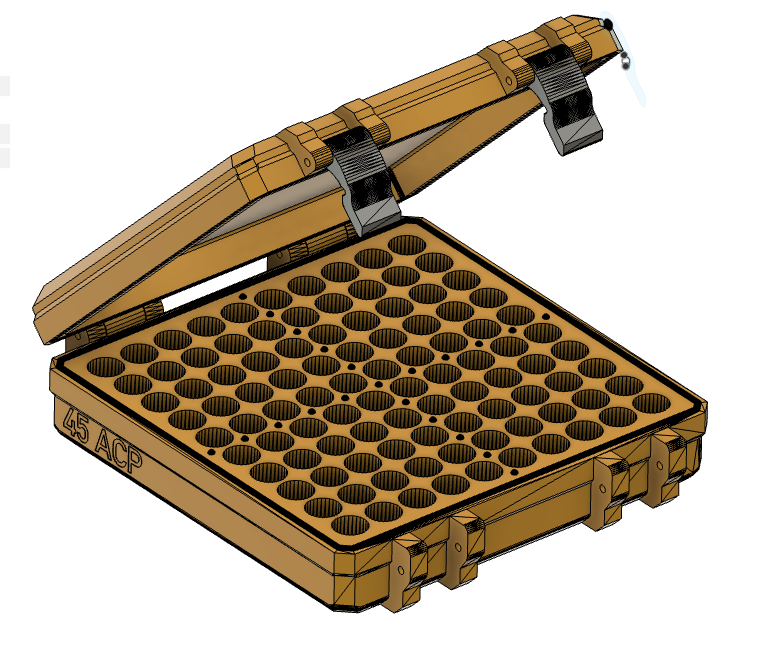
- Stick to reputable remanufacturers (e.g., Fioochi or Freedom Munitions) that pressure-test batches.
- Inspect blems for deep scratches—those can weaken the case wall, unlike light marks.
- Use them in forgiving platforms like Ammo Cans & Storage for Sale bolt-actions or full-size pistols, not tight match barrels.
- Track your round count; reman brass wears out faster than new, so dispose after 2–3 reloads.
Where Are the Best Places to Find Low-Cost Ammunition Online and Locally?
For the deepest discounts on ammunition, online retailers like **AmmoSeek and WikiArms** aggregate real-time pricing across dozens of sellers, letting you sort by cost-per-round and catch daily deals on bulk packs—often 20–30% below local shelf prices. Locally, big-box stores like Cabela’s or Sportsman’s Warehouse run weekly clearance on overstocked calibers, but pawn shops and gun shows are where savvy buyers negotiate loose-box discounts, especially for common rounds like 9mm or .223. Always factor shipping and hazmat fees into online totals; buying 500+ rounds typically neutralizes those costs. *Q: Where’s the fastest way to score discount ammo locally?* A: Check independent gun stores on weekday mornings—they often mark down returned or odd-lot ammo that didn’t sell over the weekend, with prices beating any online deal once delivery is added.
How to Compare Per-Round Pricing Across Different Retailers Effectively
To compare per-round pricing effectively, always calculate the **true cost per round** by dividing the total cart price—including shipping, taxes, and any handling fees—by the number of rounds in the box or case. Do not compare shelf prices alone, as a $12.99 box of 20 can cost more per round than a $60 case of 100 once shipping is added. Keep a running spreadsheet or use a ballistics calculator tool to log prices from local gun shops, big-box sporting goods stores, and online retailers side-by-side. Factor in bulk discounts: buying 500 or 1,000 rounds often drops the per-round cost by 10–20%, but verify that minimum-order thresholds for free shipping align with your actual need. Finally, check if the retailer charges a restocking fee or requires a minimum quantity to unlock the advertised price, as these hidden costs skew your comparison.
Always 7.62x54R Ammo for Sale convert every offer to a single, all-inclusive per-round figure—including shipping and fees—and compare that number across at least three retailers before committing.
Using Bulk Orders and Free Shipping Thresholds to Maximize Your Savings
To maximize savings on discount ammo, consolidate purchases into bulk orders that cross the retailer’s free shipping threshold—typically $99 to $150. First, calculate your per-case cost versus shipping fees for smaller orders; often, adding one extra box of common calibers like 9mm pushes you over the limit. Second, combine multiple calibers or brands in a single cart, as most sites base shipping on total weight, not item count. Third, use a shipping-cost calculator before checkout to confirm the break-even point. If you’re $20 short, add a low-cost accessory or value-priced ammo. Finally, compare thresholds across three vendors, since some offer free shipping on bulk ammo only, while others extend it to any order. Prioritize sites that cap bulk weights, and split oversized orders to avoid surprise surcharges while still clearing each threshold.
Why Local Gun Shows and Pawn Shops Sometimes Have Hidden Deals
Local gun shows and pawn shops often harbor hidden discount ammo deals because their inventory moves slower than online giants, forcing sellers to undercut retail to free up cash. Pawn shops frequently inherit bulk ammunition from estate sales or unpaid loans, pricing it to sell fast without researching current market value. Vendors at gun shows, meanwhile, face the pressure of weekend-only foot traffic; a box that doesn’t move by Sunday gets packed away, so they slash prices on odd calibers or last-season lots. You can also negotiate face-to-face—bundle a few hundred rounds and dicker down the per-box price. This overstock and urgency create a buyer’s edge you rarely get online.
How Do You Store and Handle Economical Ammo to Ensure It Lasts?
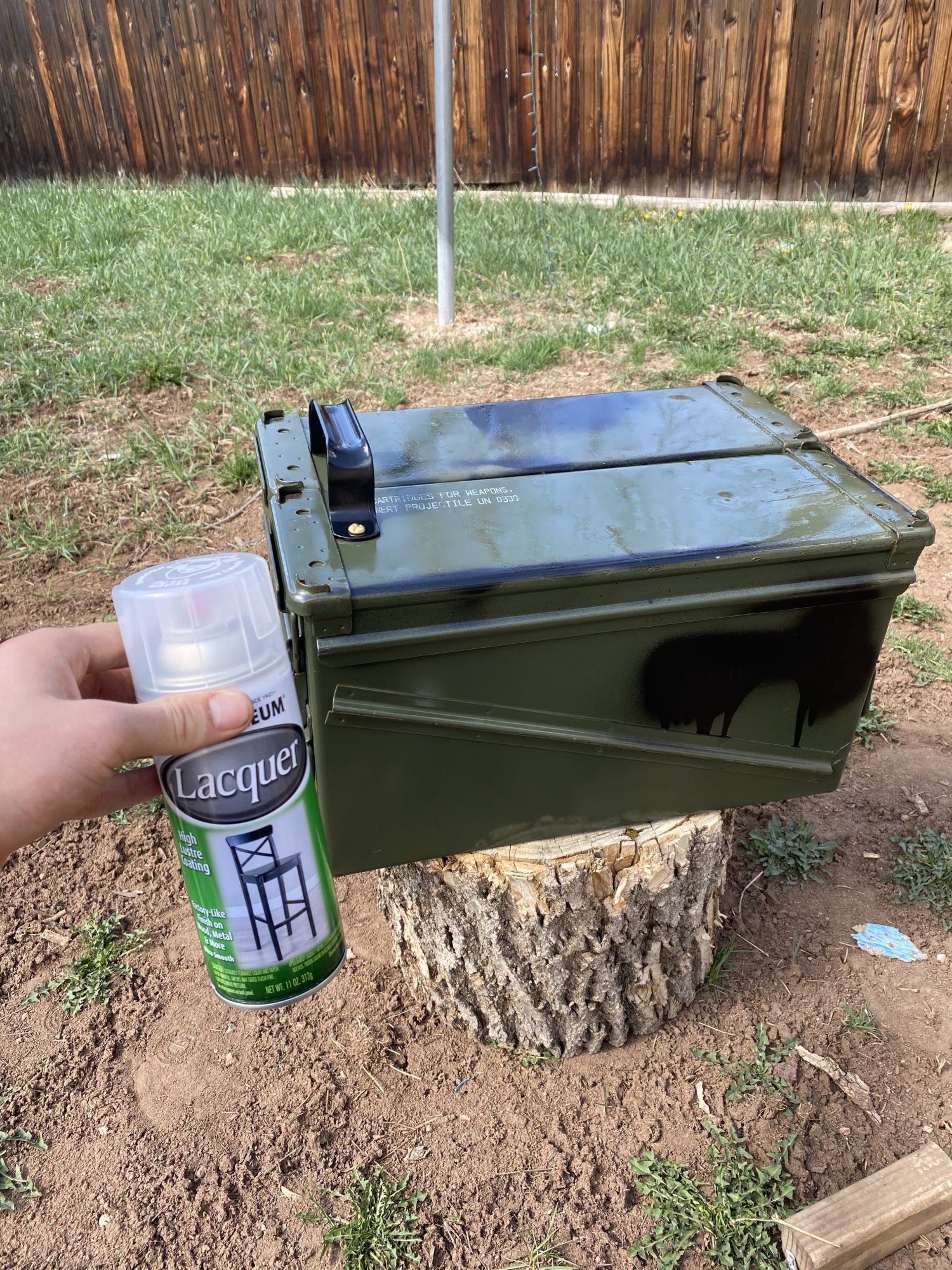
You’ve scored a bulk deal on discount ammo, and the savings feel great—but the real win is in the storage. That bargain box of economy rounds will last for decades if you treat it right. I keep mine in a sealed, airtight ammo can with a silica gel pack, because humidity is the silent killer of cheap brass and primers. The key is temperature stability, so I stash it in a cool closet, never a hot garage where the propellant degrades. I also rotate my stock, shooting the oldest surplus-style loads first, and I wipe down the box with a dry cloth before sealing—never let oily hands touch the cartridges. That way, when I finally crack the lid at the range, every round feeds and fires without hiccups, stretching every dollar I saved.

Proper Storage Conditions for Surplus or Discounted Cartridges
For surplus or discounted cartridges, maintaining stable, low-humidity storage is critical because these rounds often arrive with unknown prior exposure. Keep them in a sealed ammo can with a desiccant pack, as fluctuating moisture degrades primers and propellant faster than temperature alone. Avoid storing them in cold garages or hot attics; a consistent 60–70°F environment prevents condensation inside the box. Place the cartridges off concrete floors, using a wooden shelf or plastic bin to wick away ground moisture. Rotate your stock—use older discounted boxes first, never stacking them near solvents or oils. If you open bulk packaging, re-seal the original liner or transfer rounds to a zip bag with a silica gel sachet. Check monthly for corrosion on brass or steel cases, especially in coastal regions.
Checking for Corrosion or Damage in Cheaper Bulk Lots Before Loading
Before loading any discount ammo from bulk lots, inspect each cartridge under bright light, rotating it to catch verdigris on brass, rust flecks on steel cases, or pitting around the primer pocket. Corrosion in bulk ammo often hides under bullet crimps or inside the case mouth, so run a fingertip along the rim and check for roughness—a sign of oxidation that can cause chamber sticking. Reject any round with green or white powdery deposits, discolored sealant, or dents near the shoulder, as these indicate improper storage and risk pressure spikes. For loose-packed bargain boxes, separate and examine every round, not just the top layer, since moisture damage frequently occurs 7.62×51 Ammo for Sale at the bottom. Use a magnifying loupe on the primer—sunken or corroded primers are a clear red flag. When in doubt, pull the bullet and inspect the powder for clumping or rust-colored streaks.
Inspect every cartridge from cheaper bulk lots for verdigris, rust, or primer pitting under bright light before loading, and discard any with dents, discoloration, or corrosion near the case mouth to prevent pressure failures.
Best Practices for Rotating Stock and Maintaining a Cost-Effective Supply
To keep discount ammo viable, embrace a strict first-in, first-out rotation system. When a new bulk case arrives, physically move older boxes to the front of your shelf or magazine—never stack new stock behind old, or you’ll unknowingly shoot decade-old primers. Pair this with a simple inventory log that notes purchase date and lot number; then, dedicate one range trip per quarter to burn through the oldest cache first, immediately replacing it with fresh bargain buys. This habit prevents corrosion, 7mm PRC Ammo for Sale dud rounds, and powder degradation, ensuring every discounted dollar delivers reliable ignition rather than becoming a costly paperweight. Rotate smart, shoot cheap, and your supply stays both potent and profitable.
What Are the Common Pitfalls When Buying Reduced-Price Firearm Rounds?
Buying discount ammo often means 5.56 Ammo for Sale accepting unknown storage history, so the biggest pitfall is assuming price reflects safe function—corroded primers or weakened brass from humidity won’t show until a squib or case head separation occurs. Another trap is mismatched lots: reduced-price firearm rounds frequently arrive as mixed headstamps or remanufactured batches, making accuracy unpredictable and pressure signs hard to diagnose. Never trust bulk packaging seals, as a sealed box can still harbor dented casings or pulled bullets that cause feeding failures. Chronograph a sample lot before trusting any carry load, because velocity swings in bargain ammo can exceed 150 fps, altering point of impact dramatically. While a 20% savings feels practical, a single stuck case in your defensive pistol costs far more time than the discount saves. Finally, avoid buying reduced-price rounds labeled “trainer only”—they often use softer primers that can slam-fire in striker-fired guns designed for military-spec primers.
How to Avoid Getting Poorly Sealed or Water-Damaged Ammo
When buying discount ammo, inspect the factory crimp or sealant around the primer and case mouth. Water-damaged ammo often shows corroded brass, verdigris, or darkened primers, so reject any box with damp spots, swollen cases, or wrinkled paper packaging. Purchase only from vendors who store pallets off concrete floors and inside climate-controlled facilities. Before firing a bulk lot, pull a bullet from a sample round to verify the sealant is intact and the powder is dry and flake-free. If the primer pocket shows rust or the case base is pitted, return the batch immediately, as moisture .17 WSM Ammo for Sale degrades propellant reliability.
Understanding Misfire Rates and How to Test a Sample Before Committing to a Large Order
Before buying a full case of discount ammo, you must understand its misfire rate—the percentage of rounds that fail to fire on the first strike. A cheap box might conceal a 5% or higher failure rate, which is dangerous and frustrating. To avoid wasting money, test a sample before committing to a large order. First, buy only 20–50 rounds from the exact lot number. Next, load them into your firearm and fire them normally, tracking every failure to ignite or cycle. Then, count the duds and divide by the total rounds fired. Finally, multiply that number by 100 to get your misfire percentage. If it exceeds 2%—or you experience any double-fires—walk away from that purchase.
What to Do If Your Gun Jams With Cheaper Ammo: Quick Fixes and Alternative Choices
When your gun jams with cheaper ammo, first **clear the malfunction safely** by dropping the magazine, racking the slide twice, and visually inspecting the chamber. If a round is stovepiped, tilt the ejection port downward before racking. For light primer strikes, wait two seconds, re-rack, and fire again—cheap primers often need a second hit. Try lubing your feed 5.7x28mm Ammo for Sale ramp with a dry Teflon spray, since budget casings frequently have rough edges that catch. If jams persist, switch to boxer-primed reloads or slightly pricier brass-case rounds from the same discount line—avoid steel or lacquered cases, which expand poorly. A quick sequence:
- Unload and lock slide back.
- Clean chamber and extractor with solvent.
- Test 10 rounds of a different lot before bulk use.
Always run a few mags of quality ammo afterward to confirm reliability.