
Start by pulling up a rail timetable or a coach schedule and look for any city that can be reached in under 120 minutes from your home. For example, from Manchester you can hop on a train to Liverpool and be there in 45 minutes; from Bristol, a direct coach gets you to Bath in 35 minutes. The key is a short travel time so you actually spend the weekend exploring, not commuting.
Tip: Avoid cities that require a change of train. A single‑ticket, direct service usually means lower cost and fewer chances of a missed connection.
Scout Free Attractions Before You Go
Once you have a destination, browse the city council’s website or the local tourism board for “free entry” listings. Most major UK cities publish a calendar of events that includes museum free days, public art walks, and open‑air concerts. In Edinburgh, the National Museum of Scotland is always free, while the Royal Botanic Garden offers a complimentary “Family Day” on the first Saturday of each month. In Leeds, the Leeds Art Gallery hosts a rotating free exhibition every two weeks.
- Look for “free entry” tags on museum pages – they’re rarely hidden.
- Check community Facebook groups for pop‑up markets that cost nothing to browse.
- Download the city’s official events app; many push notifications for last‑minute free gigs.
Common mistake: Assuming that “free” means “uninteresting.” In reality, the free slot at the Tate Modern on Fridays draws a crowd of art lovers, and the atmosphere is lively.
Plan Your Route Using Public Transport
Open the local transit app and map out a zero‑fare or low‑cost journey. Many cities offer free bus zones in the centre – for instance, Nottingham’s city centre is free to navigate by bus during weekdays, and the same applies to Glasgow’s “Free Bus Service” on Saturdays. If you’re traveling from a nearby town, consider a railcard discount; a 16‑25 Railcard cuts fares by 33%, turning a £12 return trip into £8.
Set a reminder on your phone for the last bus home. In Brighton, the last bus departs at 23:30, which gives you plenty of time to enjoy the seafront after the free Brighton Festival events.
Pack Light, Pack Smart
Bring a reusable water bottle, a compact raincoat, and a portable charger. A 500‑ml bottle will keep you hydrated during a free outdoor concert without the need to buy drinks. The raincoat saves you from buying a cheap umbrella at a market stall when the weather turns. And a charger ensures your phone stays alive for checking the next free event on the fly.
Don’t forget a small notebook. Jotting down the names of free galleries you missed or the dates of upcoming street performances helps you plan future weekends without re‑searching.
Blend In a Quick Digital Break
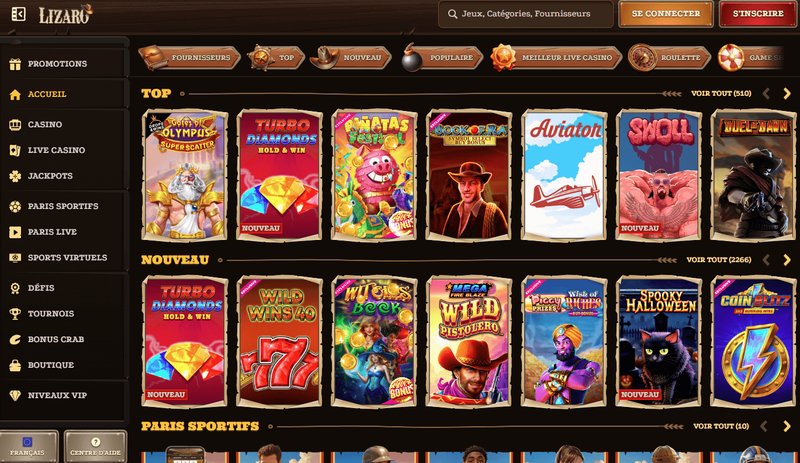
While you’re strolling through the free exhibitions, a short pause for some online entertainment can keep the energy up. I often switch to a quick round of Lizaro on my phone during a museum’s quiet hour – the bright, casual games are perfect for a five‑minute recharge without breaking the flow of the day.
Avoid the “All‑Day Ticket” Trap
One common error is buying an all‑day pass for attractions that already offer free entry. In York, the National Railway Museum is free, yet some visitors still purchase a “combined ticket” that adds a paid exhibition they never use. Double‑check the pricing page; you’ll often find the free option listed right at the top.
Wrap Up Your Weekend Efficiently
When the last free event ends, head back to the transport hub early to avoid the rush hour surge. In cities like Cardiff, the final train departs at 00:15, but waiting an extra 30 minutes can mean a crowded platform and a higher chance of missing your connection. Arrive at the station with at least ten minutes to spare, and you’ll finish the weekend feeling organized rather than rushed.
By following these steps, you’ll discover a string of free cultural gems across the UK, keep your budget intact, and still have room for a quick gaming interlude when you need a breather.
Frequently Asked Questions
How do I find a city within two hours of my location?
Use online train or coach timetables, filter routes by travel time, and select cities that can be reached in under 120 minutes.
Why should I avoid cities requiring a train change?
Direct services reduce travel time, lower cost, and minimize transfer hassles, allowing more time for exploration.
Can I use other transport modes besides trains and coaches?
Yes, high-speed buses, local rail, or even bike routes can work if they stay within the two-hour window.